Complete Guide to Proper Dumpster Loading
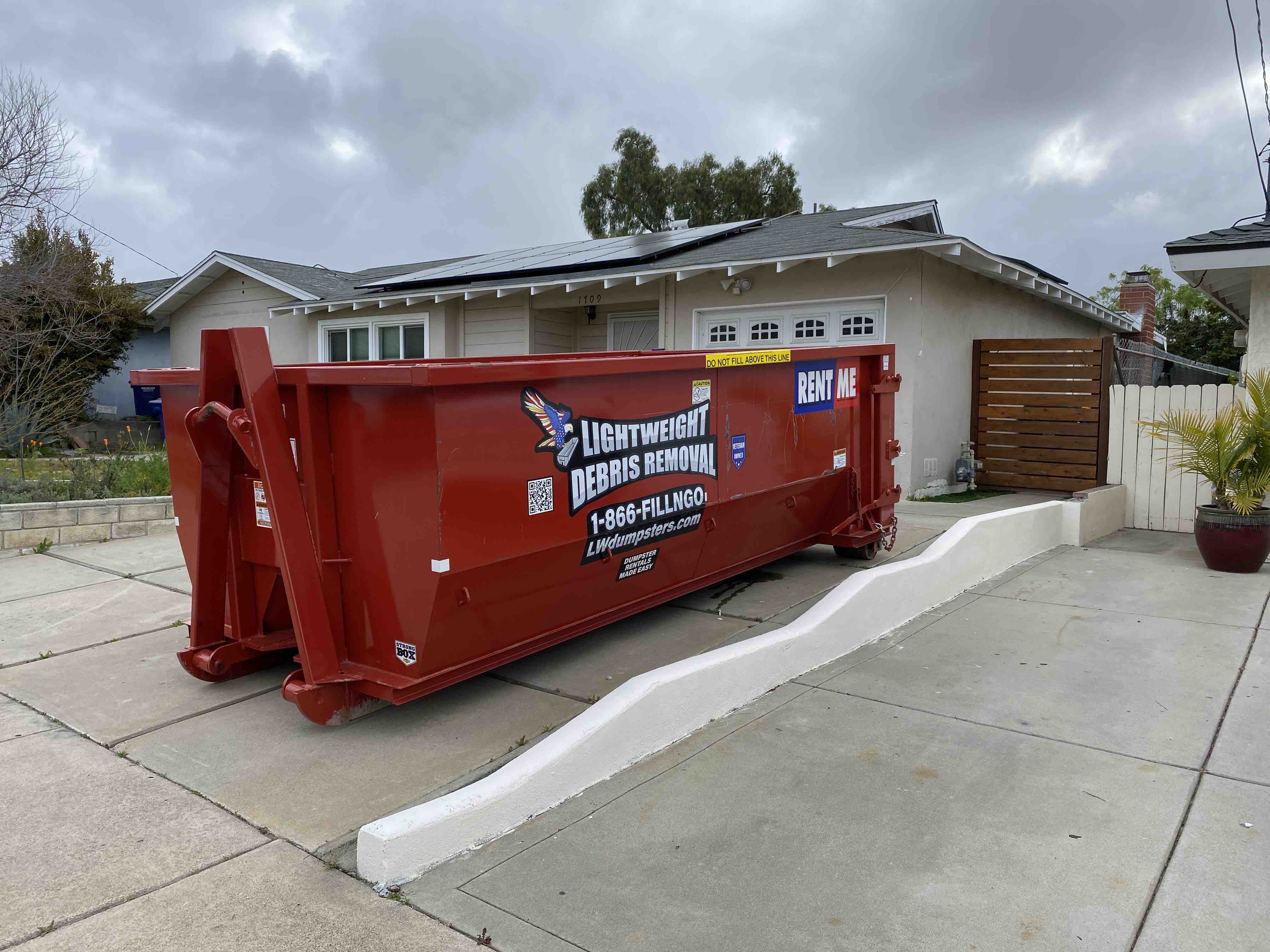
When handling a cleanup, remodeling, or construction task, loading a dumpster might appear simple. In reality, the placement of materials plays a key role in space use, job safety, and overall efficiency. Most people don’t realize how much strategy goes into correct dumpster loading, resulting in inefficient space use, potential danger, and extended work time.
At Lightweight Debris Removal, we emphasize that proper dumpster loading is just as vital as choosing the right container size. By staying organized, you can make the most of your dumpster and keep operations safe and smooth. Our aim is to help customers gain the most from their rentals by teaching proper loading techniques that reduce mess, prevent breakage, and simplify disposal.
Preparing Your Dumpster Loading Strategy
Prior to tossing any debris in, it’s crucial to plan ahead. Evaluate the debris you plan to throw away and separate recyclables or items needing careful handling. Sorting ahead of time promotes a smooth workflow and limits the need for reorganization later. It also makes handling safer by isolating hazardous or sharp materials.
Mapping out the order of loading matters just as much. Start by positioning large, heavy pieces at the bottom for balance. Afterward, lighter materials can be layered on top to fill in spaces. A well-thought-out plan helps avoid imbalance and instability once hauling begins. This approach improves both safety and efficiency throughout the job.
Smart Space Management for Dumpster Loading
Effective space management is essential for optimal dumpster use. Break down bulky items such as furniture or large appliances before placing them inside. Crushing or flattening materials helps create more usable space. This lets you load more effectively and maintain even weight distribution.
You can also use a layering technique for smarter space allocation. Use sturdy flat pieces as a bottom layer. Add lighter debris in between to fill open spaces. Keep the load within the dumpster’s limits to ensure safe transport. Smart layering boosts capacity and promotes a safer cleanup process.
Maintaining Safety During Loading
Safety must always come first when loading a dumpster. Wearing gloves, strong shoes, and protective gear helps prevent cuts and injuries. Before you start, ensure the area is free from obstacles or tripping hazards. Being aware of your surroundings supports a safer environment for everyone involved.
Avoid tossing items into the dumpster from a distance, since this could result in shifting, accidents, or property harm. Instead, place objects deliberately and with control. Seek help when lifting oversized objects to prevent strain or accidents. By practicing caution, you maintain both productivity and protection on-site.
Efficiently Sorting and Arranging Materials
Sorting your waste both before and during loading is a simple yet powerful way to stay organized. Separate different materials like wood, metal, and household refuse for easier management. This method improves the workflow and eases both the loading and dumping process. This organization helps identify recyclables and promotes environmentally conscious waste handling.
Keeping materials organized reduces the need to rearrange items once they’re inside. Position lighter, flexible materials toward the top layer and heavy ones beneath. This keeps lighter waste from being blown away and maintains load stability. Staying methodical enhances workflow efficiency and maintains professionalism.
Safeguarding Surfaces When Using a Dumpster
While dumpsters are sturdy, the surfaces they rest on can be fragile. Use wooden beams or other protectors beneath to reduce stress on driveways and pavements. Taking this measure prevents cracks, scratches, and wear during use.
Where you position the dumpster affects both convenience and safety. Opt for a stable, easy-to-reach area that won’t obstruct entryways or paths. Do not place it near fragile features like fences or shrubs to prevent accidental harm. Thoughtful setup ensures a smooth experience and website minimizes potential property risks.
Maximizing Efficiency for Large Projects
Big projects tend to generate constant debris that needs proper management. Set up a designated area to collect and organize debris before dumping it in. This keeps the dumpster evenly filled from front to back and minimizes later rearranging.
Strong collaboration and clear direction make the process more effective. Assign crew members to specific duties such as sorting, lifting, or compacting debris. When everyone knows their tasks, the process runs faster and stays organized. Planning and cooperation are vital for completing big projects without unnecessary setbacks.
Understanding Restricted Dumpster Items
Certain items aren’t permitted in regular dumpsters, making awareness essential. Items such as toxic waste, chemicals, and electronic devices need regulated disposal. Dumping restricted materials risks pollution and additional disposal problems. Check local guidelines before loading to stay compliant and safe.
Never load the container above its designated fill line or weight limit. Overweight dumpsters can be unsafe and cause additional service fees. Proper loading maintains safe handling and regulatory compliance. Being mindful of what and how much you load ensures smooth pickup and transport.
Partnering with a Reliable Dumpster Rental Provider
Collaborating with a dependable provider makes any cleanup smoother and more efficient. Lightweight Debris Removal offers expert dumpster rental services designed for both homeowners and contractors. Our team assists from delivery through pickup, offering consistent, timely, and hassle-free support.
Opting for a company that values service quality improves every project step. Prompt support, transparency, and reliability help maintain project flow. Lightweight Debris Removal remains committed to supporting customers in achieving clean, safe, and efficient waste solutions.
Maintaining a Clean and Efficient Project Site
Efficient dumpster loading directly impacts overall project productivity. A clean, well-kept work area enables smooth task flow and better teamwork. Using effective organization turns cleanup into a natural step in the process.
Lightweight Debris Removal reminds customers that dumpster loading is about more than getting rid of waste. It provides an opportunity to improve safety, efficiency, and environmental care. By planning ahead and working smartly, you can make waste removal a seamless part of every project.